# Digitizing Embroidery: A Guide to Turning Artwork into Stitching
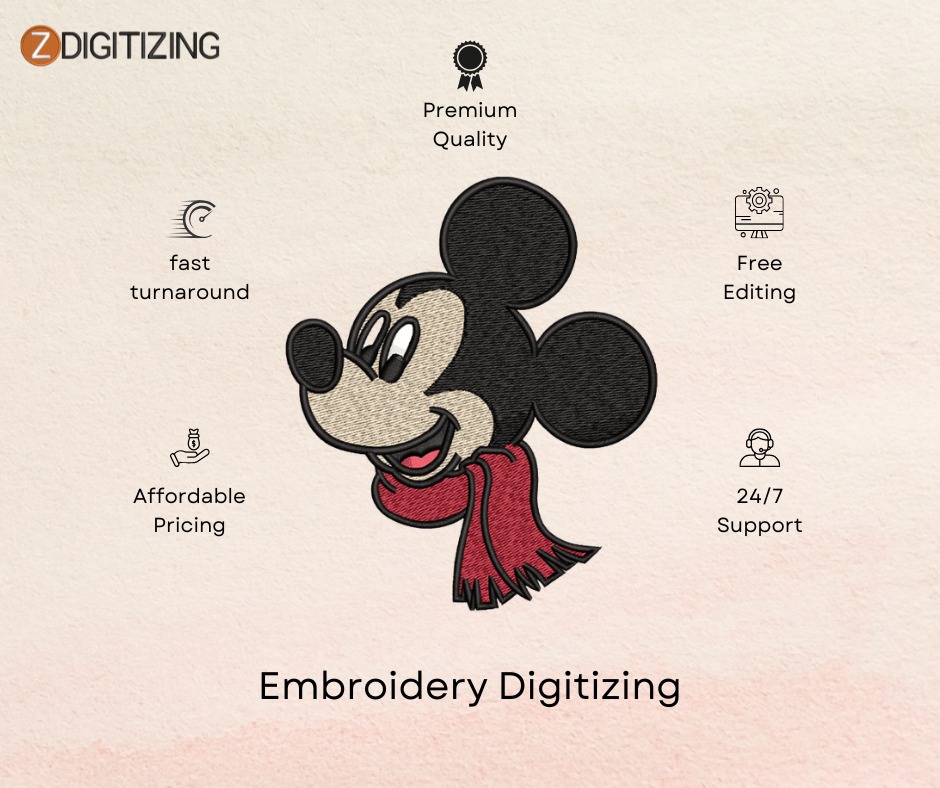
Embroidery has been used for centuries to decorate clothing, accessories, household items, and other fabric products. Traditional embroidery relies on craftsmanship and careful stitch placement, while modern embroidery combines these skills with digital technology.
*****[Digitizing embroidery](https://zdigitizing.com/)***** is the process that connects artwork with computerized embroidery machines. It converts a logo, illustration, text, or other suitable artwork into a digital embroidery file containing detailed stitching instructions.
These instructions guide the machine on stitch placement, direction, density, color changes, and sewing order. Creating a successful embroidery file requires more than converting an image into a machine format.
The artwork must be planned according to fabric type, design size, thread characteristics, stitch types, and the capabilities of the embroidery machine. Proper digitizing helps produce cleaner stitching, better detail, improved consistency, and fewer production problems.
## What Is Embroidery Digitizing?
Embroidery digitizing is the process of converting artwork into a machine readable file that tells an embroidery machine how to recreate the design with thread.
A standard image contains visual information such as shapes, colors, and lines. An embroidery file contains sewing instructions. These instructions determine where stitches should be placed, which direction they should follow, how dense they should be, when the machine should change thread colors, and when it should move between different sections.
The digitizer also considers how the design will behave after it is stitched onto fabric. This is important because embroidery is a physical process. A design that looks correct on a computer screen may require adjustments before it can produce a good stitched result.
## How to Prepare Artwork for Embroidery Digitizing
Good artwork preparation can make the digitizing process more efficient. Before submitting artwork for digitizing, consider the final embroidery size, intended fabric, number of colors, important design details, and desired placement.
Vector artwork can be particularly useful because shapes and lines can be edited without losing quality. However, suitable raster artwork can also be digitized when the important visual elements are clear.
The most important consideration is not simply the quality of the image but whether its design elements can be reproduced effectively with thread.
## Benefits of Professional Embroidery Digitizing
Proper digitizing can provide several practical benefits for businesses, designers, clothing producers, and individuals. It can improve the consistency of embroidered designs across different products and production runs. It can also reduce avoidable stitching problems and help maintain the intended appearance of logos, text, and artwork.
Once a suitable embroidery file has been created and tested, it can generally be retained for future production when the same or compatible machine format and design specifications are required. This makes digitizing useful for repeated orders involving uniforms, clothing, bags, accessories, promotional products, and personalized items.
## Embroidery Digitizing and Modern Customization
Digital embroidery has made customized products more accessible for many types of users. Artwork can be transformed into stitched logos, names, initials, decorative patterns, badges, and other personalized designs.
This allows digital artwork to become a physical product while retaining the texture and character associated with embroidery. The process also creates opportunities to combine traditional decorative techniques with modern design workflows.
Digital tools provide greater control over stitch placement and production planning, while practical embroidery knowledge helps ensure that the final result works on real materials.
## The Future of Embroidery Digitizing
Embroidery technology continues to develop through improvements in software, machine control, automation, and digital design tools.
These developments can make embroidery production more precise and efficient. Automated features may assist with repetitive tasks and provide faster ways to create preliminary stitch structures.
However, successful embroidery still depends on practical factors such as fabric behavior, stitch selection, density, sequencing, and design size. Technology can support the process, but careful planning remains essential.
## Final Thoughts
Embroidery digitizing is an important part of modern machine embroidery. It transforms visual artwork into detailed stitching instructions while taking practical production factors into account.
Successful digitizing requires attention to stitch types, density, direction, underlay, sewing sequence, fabric characteristics, design size, and machine requirements. It also requires an understanding that embroidery is different from digital artwork because the final result is created with physical thread on physical material.
When artwork is carefully prepared, appropriately digitized, and properly tested, digital designs can be transformed into consistent and durable embroidered products.
[](https://)This combination of digital planning and traditional textile craftsmanship makes embroidery digitizing an effective way to turn creative artwork into finished threadwork.
## Frequently Asked Questions About Embroidery Digitizing
### What is embroidery digitizing used for?
Embroidery digitizing is used to convert artwork, logos, text, and other suitable designs into machine readable embroidery files. The file contains instructions that control stitch placement, direction, density, colors, and sewing order.
### Can any image be converted into an embroidery design?
Most suitable artwork can be adapted for embroidery, but not every detail can be reproduced exactly. Very small elements, thin lines, complex shading, and intricate details may need to be simplified or modified for better stitching results.
### Why does the same embroidery design look different on different fabrics?
Fabric characteristics can affect how stitches behave and appear. Stretch, thickness, texture, and stability can influence registration, coverage, and detail. A design may therefore require adjustments for different materials.
### Does an embroidery file need to be tested before production?
Testing is strongly recommended, particularly for important or large production orders. A sample stitch out can reveal problems with density, lettering, registration, fabric movement, thread buildup, and other factors that may not be obvious in a digital preview.