# Automatic Driving Lessons Darwen: A Smarter Way to Learn Safe and Confident Driving
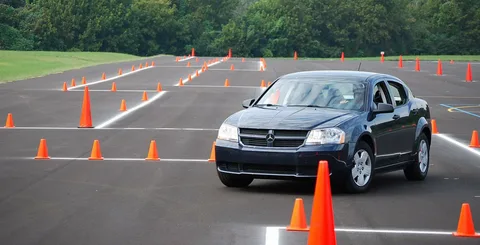
Learning to drive is one of life's most valuable skills, providing freedom, independence, and greater career opportunities. In recent years, [automatic driving lessons Darwen](https://www.smartdrivingschool.uk/cheap-automatic-driving-lessons-darwen/) have become increasingly popular among learners who want a simpler and less stressful route to passing their driving test.
As automatic vehicles become more common across the UK, learner drivers are recognising the advantages of focusing on road awareness, hazard perception, and safe driving rather than mastering manual gear changes. Whether you're a complete beginner, a nervous learner, or someone returning to driving after many years, automatic tuition can provide a practical learning experience suited to today's roads.
# Why Automatic Driving Lessons Continue to Grow in Popularity
The UK's driving industry has experienced significant changes over the past decade. With the rapid rise of hybrid and electric vehicles, many of which operate with automatic transmissions, learner preferences are also evolving.
Choosing [automatic driving lessons Darwen](https://www.smartdrivingschool.uk/cheap-automatic-driving-lessons-darwen/) offers several practical advantages:
Less complicated vehicle control
No clutch or gear changing
Reduced learner stress
Faster confidence building
More attention focused on road safety
Instead of worrying about finding the correct gear during busy traffic, learners can devote their attention to observation, planning, and hazard awareness.
This learning style often appeals to:
First-time drivers
Mature learners
Busy professionals
Individuals with driving anxiety
Learners who have struggled with manual lessons
# The Shift Towards Automatic Vehicles in the UK
The automotive industry is changing rapidly.
Electric vehicles (EVs) and many hybrid models use automatic transmissions as standard. As manufacturers continue investing in cleaner transport technologies, automatic vehicles are becoming increasingly common on UK roads.
This trend means learner drivers are preparing for the future rather than only today's driving conditions.
Driving schools across Lancashire have responded by expanding their automatic training programmes to meet growing demand from local learners.
For many new drivers, learning automatic now aligns with the vehicles they are most likely to own in the coming years.
# What Makes Automatic Driving Easier for Beginners?
Learning any new skill requires concentration.
When driving a manual vehicle, learners must simultaneously manage:
Clutch control
Gear selection
Hill starts
Engine stalling prevention
Road positioning
Traffic observation
Removing clutch and gear management significantly reduces the mental workload.
This enables learners to spend more time improving essential driving skills such as:
**Road Awareness**
Recognising developing hazards early helps drivers make safer decisions.
**Observation Skills**
Checking mirrors, blind spots, junctions, and pedestrian crossings becomes more natural with regular practice.
**Defensive Driving**
Automatic learners often develop smoother anticipation because they are not distracted by changing gears.
**Confidence in Busy Traffic**
Stop-start traffic can feel intimidating for beginners. Automatic cars simplify these situations considerably.
# Common Challenges Learners Face—and How to Overcome Them
Every learner progresses at a different pace.
Some of the most common challenges include:
**Nervousness Behind the Wheel**
Many new drivers worry about making mistakes.
Building confidence comes through consistent practice, patient instruction, and gradually increasing driving complexity.
**Busy Urban Roads**
Driving through town centres can seem overwhelming.
Starting with quieter residential areas before progressing to busier routes helps learners adapt naturally.
**Roundabouts**
Roundabouts often concern beginners.
Breaking each roundabout into simple stages—observation, positioning, speed control, and exit planning—makes them far easier to understand.
**Parking Manoeuvres**
Reverse parking, bay parking, and parallel parking improve through repetition rather than speed.
Most experienced instructors encourage slow, accurate movements instead of rushing.
# Practical Tips for Getting the Most from Driving Lessons
A successful learner does more than simply attend lessons.
The following habits can make a significant difference:
**Practice Consistently**
Long gaps between lessons often slow progress.
Regular weekly lessons help reinforce previous learning.
**Ask Questions**
Understanding why a driving technique is important builds better long-term habits.
**Review Mistakes**
Every mistake provides valuable learning opportunities.
Rather than becoming discouraged, focus on understanding what happened and how to improve.
**Stay Calm**
Confidence develops gradually.
Even experienced drivers continue learning throughout their driving lives.
**Learn Road Signs**
Improving Highway Code knowledge outside lessons makes practical driving easier.
# Choosing the Right Driving Instructor
The instructor you choose can significantly influence your learning experience.
Consider factors such as:
Professional qualifications
Calm teaching style
Lesson flexibility
Local route knowledge
Positive learner feedback
Clear communication
Many learners benefit from instructors who adapt lessons to individual confidence levels instead of following identical teaching methods for everyone.
For example, providers such as Street Smart Driving School demonstrate how personalised instruction can support learners with different experience levels while encouraging safe, responsible driving habits rather than simply preparing for a driving test.
# Road Safety Remains the Primary Goal
Passing the practical driving test is important, but it should never be the only objective.
Safe driving includes:
Anticipating hazards
Managing speed appropriately
Maintaining safe following distances
Driving courteously
Adapting to changing weather conditions
Respecting vulnerable road users
Modern driving education increasingly focuses on producing drivers who remain safe long after receiving their licence.
This wider approach benefits individuals, passengers, pedestrians, cyclists, and the wider community.
# Technology Is Changing Driver Education
Driving instruction has become increasingly technology-driven.
Today's learners often benefit from:
Digital lesson planning
Online theory resources
Dashcam lesson reviews
Progress tracking
Interactive hazard perception training
GPS route familiarisation
These tools help learners better understand their progress while reinforcing classroom learning between practical sessions.
Driving schools throughout Lancashire continue adopting technology that enhances both learner confidence and instructional quality.
# Why Local Knowledge Matters
Learning within familiar surroundings helps reduce anxiety.
Driving instructors with strong knowledge of Darwen and surrounding Lancashire roads understand:
Common test routes
Challenging junctions
Local speed changes
School zones
Rural roads
High-traffic areas
This familiarity enables learners to experience a wide variety of real driving situations before taking their practical test.
As an example, Street Smart Driving School serves learners across Lancashire by providing local driving experience that reflects everyday road conditions, helping students build practical confidence in a range of environments.
# Conclusion
The growing popularity of [automatic driving lessons Darwen](https://www.smartdrivingschool.uk/cheap-automatic-driving-lessons-darwen/) reflects broader changes within the UK's transport landscape. As automatic, hybrid, and electric vehicles become increasingly common, more learners are choosing a simpler learning experience that allows them to concentrate on what matters most—developing safe, confident driving habits.